
Understanding the Process of Applying Ceramic Coating
- Mar 15
- 3 min read
Ceramic coating has become a preferred choice for vehicle owners seeking long-lasting protection and enhanced appearance. This advanced protective layer offers superior resistance to environmental contaminants, UV rays, and minor scratches. However, achieving the best results requires a precise and methodical approach. This article breaks down the process of applying ceramic coating, emphasizing the craftsmanship and attention to detail necessary for optimal performance, especially in Florida’s challenging climate.
The Importance of Proper Preparation When Applying Ceramic Coating
Applying ceramic coating is not simply about spreading a product on the vehicle’s surface. The preparation phase is critical to ensure the coating bonds correctly and performs as expected. Any imperfections left on the paintwork will be sealed under the coating, making them more visible and harder to correct later.
Preparation typically involves:
Thorough washing: Removing dirt, grime, and road contaminants using pH-neutral shampoos.
Decontamination: Using clay bars or chemical decontaminants to eliminate embedded particles.
Paint correction: Polishing the surface to remove swirl marks, scratches, and oxidation.
Surface inspection: Ensuring the paint is flawless and ready to accept the coating.
Each step requires patience and precision. Skipping or rushing through preparation compromises the durability and appearance of the ceramic coating.

Key Steps in Applying Ceramic Coating
Once the vehicle is properly prepared, the actual application of the ceramic coating begins. This process demands a clean, dust-free environment and controlled temperature and humidity to ensure the coating cures correctly.
The application steps include:
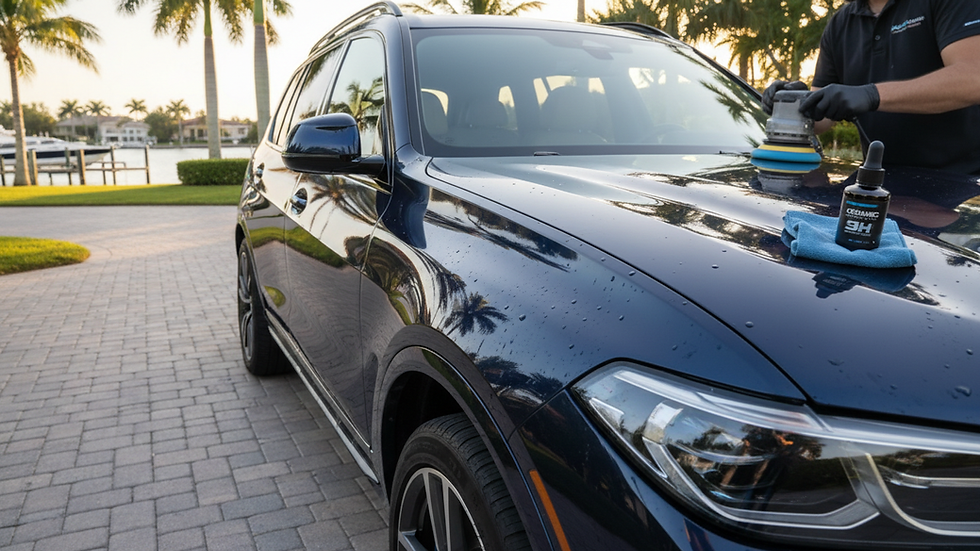
Panel-by-panel application: The coating is applied in small sections to maintain control and avoid uneven coverage.
Using applicator pads: A microfiber or foam applicator pad is used to spread the coating evenly.
Allowing dwell time: The coating is left to bond with the paint for a few minutes, depending on the product instructions.
Buffing off excess: Using a clean microfiber towel, any residue is carefully removed to prevent high spots or streaks.
Curing: The vehicle is left to cure in a controlled environment, often requiring several hours to days for full hardness.
Attention to detail during these steps ensures a smooth, glossy finish that enhances the vehicle’s appearance and protection.
What Needs to Be Done Before Ceramic Coating?
Before applying ceramic coating, several preparatory tasks must be completed to guarantee the coating’s effectiveness and longevity.
Environmental control: The application area should be free from dust, direct sunlight, and extreme temperatures.
Surface dryness: The vehicle must be completely dry to avoid trapping moisture under the coating.
Masking sensitive areas: Trim, rubber seals, and plastic parts may be masked to prevent unwanted coating application.
Final inspection: A thorough check for any remaining contaminants or imperfections is essential.
Properly addressing these factors reduces the risk of application errors and ensures the coating bonds uniformly.

Benefits of Ceramic Coating in Florida’s Climate
Florida’s climate presents unique challenges for vehicle protection. High humidity, intense sunlight, frequent rain, and salt exposure from coastal areas can accelerate paint degradation. Ceramic coating offers several advantages in this environment:
UV protection: Shields paint from fading and oxidation caused by strong sun exposure.
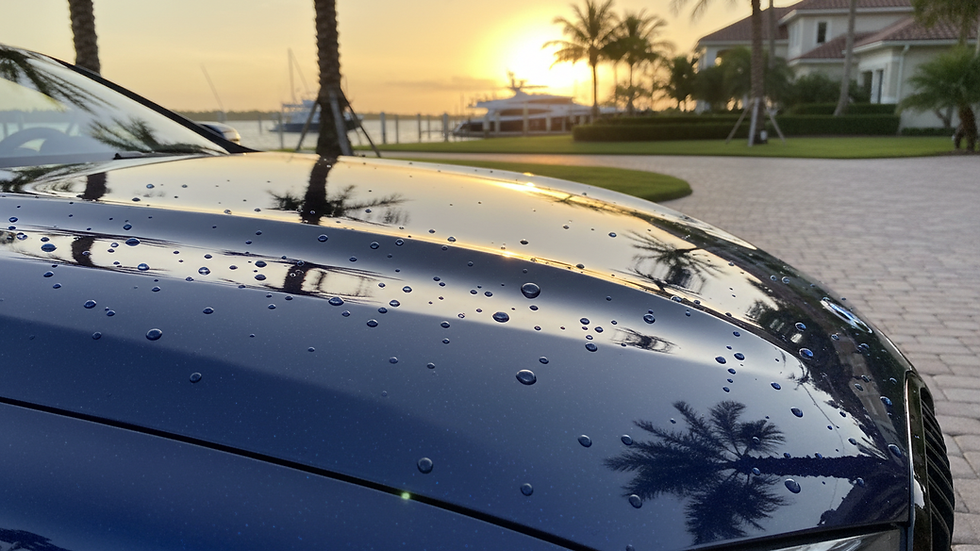
Hydrophobic properties: Water and contaminants bead and slide off easily, reducing water spots and corrosion.
Chemical resistance: Protects against acid rain, bird droppings, and road salts.
Ease of maintenance: The smooth surface simplifies cleaning and reduces the need for harsh chemicals.
These benefits translate into a vehicle that maintains its showroom shine longer, even under Florida’s demanding conditions.
Maintaining Your Ceramic Coating for Long-Term Results
Applying ceramic coating is only part of the process. Proper maintenance is essential to preserve its protective qualities and appearance.
Regular washing: Use gentle, pH-neutral car shampoos and avoid automatic car washes with abrasive brushes.
Avoid harsh chemicals: Stay away from acidic or alkaline cleaners that can degrade the coating.
Periodic inspections: Check for any signs of wear or damage and address them promptly.
Professional reapplication: Depending on the product and conditions, a professional top-up may be necessary every few years.
Consistent care ensures the investment in ceramic coating delivers maximum value and protection.
Understanding the detailed process of applying ceramic coating highlights the importance of expertise and precision. This protective layer, when applied correctly, offers unmatched durability and aesthetic enhancement, especially suited for the challenges posed by Florida’s environment. Proper preparation, careful application, and ongoing maintenance are the pillars of a successful ceramic coating that keeps vehicles looking their best for years to come. For those interested in learning more about the ceramic coating application process, consulting with experienced professionals is highly recommended.

Comments